Seoul
Vùng Thủ đô Seoul
Richard Mortel from Riyadh, Saudi Arabia · CC BY 2.0
A capital where Joseon palaces, night markets and glass towers all crowd into the same frame.
Seoul is a six-hundred-year-old city compressed into a very new shape. In the morning you stand in the court of Gyeongbokgung listening to the changing-of-the-guard drums; in the afternoon you get lost in the hanok lanes of Bukchon; at night you eat standing up in Myeongdong and then ride up Namsan to watch the city light up on both banks of the Han. The four seasons are sharply drawn: cherry blossom along the river in spring, downpours and humid nights in summer, high skies and red leaves in autumn, snow on palace roofs in winter. The subway is dense and punctual enough that getting around barely requires thought.
Best time to visit: April–May (cherry blossom) and September–November (autumn colour)
Local specialties
- Gimbap
- Tteokbokki
- Samgyetang
- Korean fried chicken
Places (18)
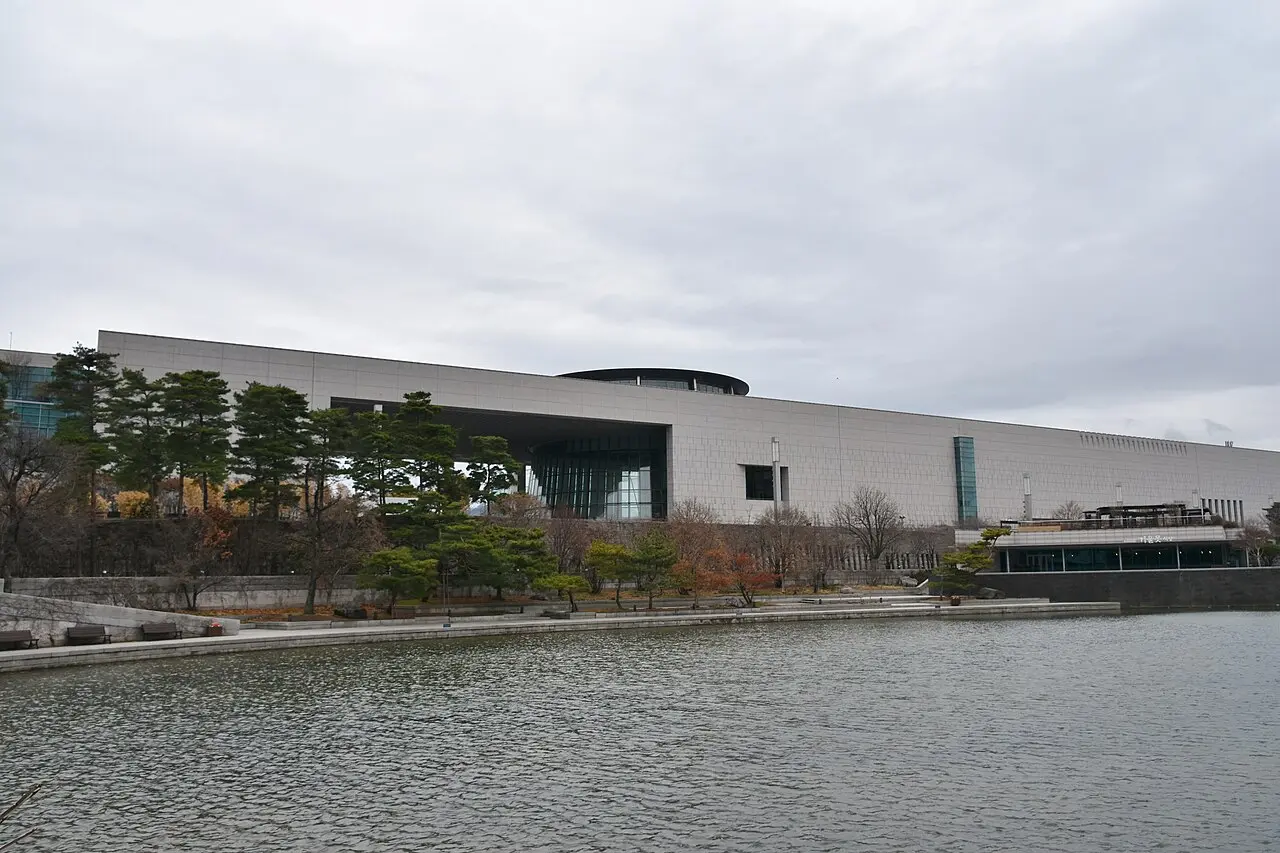
National Museum of Korea
The country's largest museum, where two Pensive Bodhisattvas sit in a dark room kept for them alone.
Gwangjang Market
A covered market over a century old, where mung bean pancakes are fried on a hot griddle right in front of you.
Changdeokgung Palace & Secret Garden
A UNESCO-listed palace famous for bending to the shape of the hill instead of forcing the hill to bend to it.
Gyeongbokgung Palace
The main palace of the Joseon dynasty, its curved tile roofs mirrored in the glass towers of modern Seoul.
Bongeunsa Temple
A thousand-year-old temple facing the Gangnam convention centre, its 23-metre stone Buddha standing in a forest of glass.
Yeouido Hangang Park
The riverside lawn where Seoul spreads out mats, orders fried chicken and watches the sun set behind the bridges.
Hongdae
The quarter around Hongik art university, where student bands set up amplifiers in the street and play until midnight.
Bukchon Hanok Village
A hillside quarter of wooden hanok houses that people still live in, wedged between two palaces.
Ikseon-dong Hanok Alleys
A working-class hanok quarter from the 1920s, now a maze of narrow lanes with cafés hidden behind wooden doors.
Insa-dong
The street of hanji paper, ink brushes and tea — the one place in Seoul where even the Starbucks sign is written in Korean.
Myeongdong Street
Seoul's loudest shopping quarter, which turns into a street of open-air kitchens after dark.
Dongdaemun Design Plaza
Zaha Hadid's curving aluminium mass, set beside the foundations of the old city wall that were dug up while building it.
Seoul Forest
A racecourse and waterworks turned into a large park, with a herd of deer living loose in a patch of woodland.
Cheonggyecheon Stream
A stream once buried under an elevated motorway, now running again six metres below street level.
N Seoul Tower (Namsan)
The peak in the middle of the city, where Seoul spreads out as a sea of lights with no visible end.
Lotte World Tower & Seoul Sky
Korea's tallest building, with a glass floor almost half a kilometre up looking straight down onto Jamsil.
Jongmyo Shrine
Where the spirit tablets of the Joseon kings are kept: one long wooden hall, so bare it becomes solemn.
Bukhansan National Park
A national park inside the capital's own boundary — forty minutes on the subway and you are at the foot of the granite trail.