Chungnam
Chungcheong
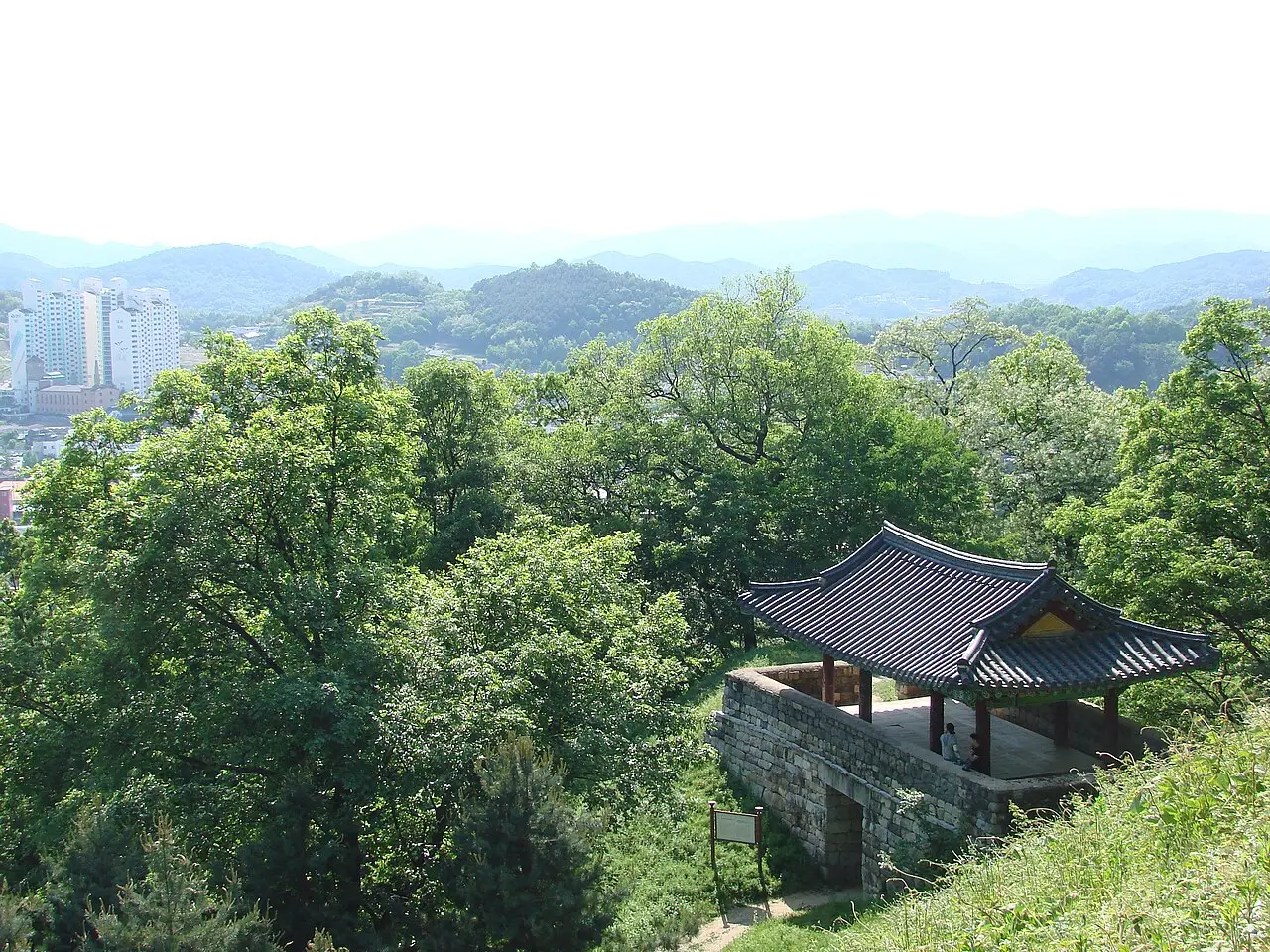
Michael · CC BY 2.0
The land of the old Baekje kingdom, with riverside fortresses and a mud festival known worldwide.
South Chungcheong was where Baekje held its last capitals: Gongju and Buyeo keep the royal tombs, earthen ramparts and the oldest garden pond in Korea, all part of a UNESCO inscription. On the west coast the tide withdraws for kilometres, leaving mineral-rich flats — the origin of the Boryeong Mud Festival each July. In between are walled county towns like Haemi, rice fields and the pumpkin farms the whole country knows.
Best time to visit: July (mud festival) and September–October
Local specialties
- Pumpkin porridge
- Cheonan chicken soup
- Cheonan walnut cakes
- Seosan oysters
Places (10)
Tomb of King Muryeong & Gongsanseong, Gongju
The only Baekje royal tomb whose occupant is known by name, found intact in 1971.
Seosan Rock-carved Buddha Triad
A 7th-century triad carved into a cliff, famous for a smile that changes with the angle of the sun.
Daecheon Beach, Boryeong
A 3.5 km west-coast beach that turns every July into the playground of the Boryeong Mud Festival.
Independence Hall of Korea, Cheonan
Korea's largest museum of the colonial period, built with public donations after a textbook dispute.
Magoksa Temple, Gongju
A temple set in the bend of a stream, and split in two by that same water.
Sudeoksa Temple
A main hall built in 1308 with the date inked onto the ridge beam — a rarity in Korean timber architecture.
Sinduri Coastal Dunes, Taean
Korea's largest coastal dune field, built by wind over fifteen thousand years into a small desert.
Oeam Folk Village, Asan
A six-hundred-year-old clan village with a channel of mountain water running through every yard.
Busosanseong Fortress & Gungnamji Pond, Buyeo
Baekje's last capital, with a river cliff and the oldest garden pond in Korea.
Haemieupseong Walled Town, Seosan
One of Korea's best-preserved county fortresses — and a place of Catholic martyrdom.