Gyeonggi
Vùng Thủ đô Seoul
문화재청 · KOGL Type 1
The province that wraps around Seoul, holding UNESCO fortresses, a folk village and the line that divides the peninsula.
Gyeonggi encircles the capital, and almost every day trip from Seoul ends up here. Suwon has Hwaseong, the most refined piece of defensive engineering of the Joseon era. Yongin has a folk village where old crafts are genuinely practised. To the east rise the mountains of Namhansanseong; to the north the highway runs straight to Imjingak and the Demilitarized Zone, where history has not yet closed. In between are farms, reservoirs and the hillside cafés Seoulites drive out to at weekends.
Best time to visit: April–June and September–November
Local specialties
- Suwon galbi
- Namhansanseong tofu
- Mushroom rice
Places (14)
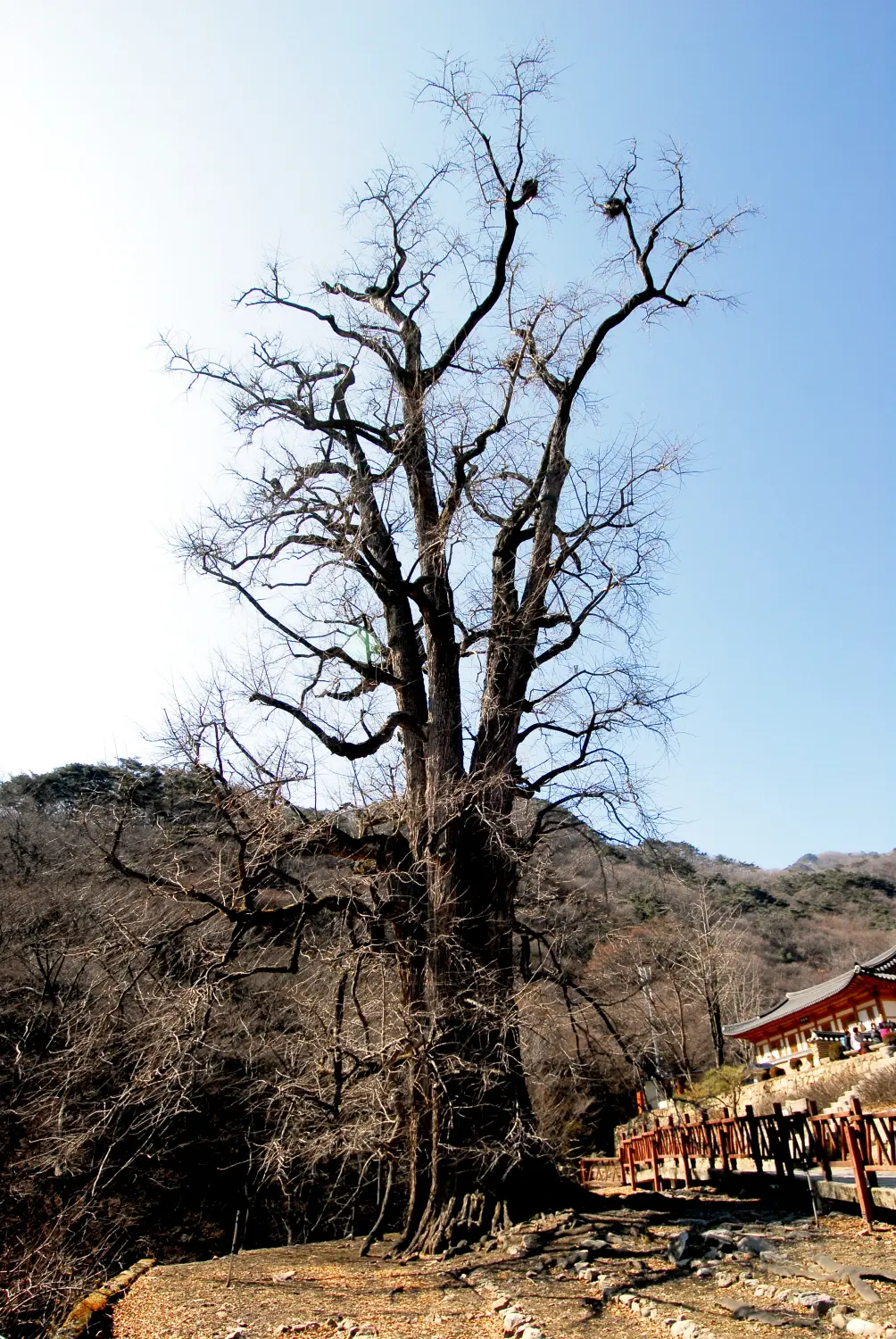
Yongmunsa Temple & the Great Ginkgo
A ginkgo over forty metres tall, the oldest in Korea, shading most of a mountain temple's courtyard.
Suwon Hwaseong Fortress
Nearly six kilometres of stone wall built by King Jeongjo out of filial duty — and a wish to move the capital.
The Garden of Morning Calm
Korea's oldest private botanical garden, lit in winter by millions of bulbs strung through the pines.
Everland
Korea's largest theme park, with the steepest wooden roller coaster in the world and a flower garden that changes face four times a year.
Gwangmyeong Cave
A colonial-era gold mine left empty for forty years, now a man-made cave with a wine cellar and a wall of light.
Imjingak & the DMZ
The last point civilians can reach before the line that splits the peninsula, less than an hour from Seoul.
Korean Folk Village
A Joseon village rebuilt in full at Yongin, where blacksmiths, scholars and tightrope walkers still work every day.
Petite France, Gapyeong
A Provençal village built on a Korean hillside, made in memory of The Little Prince.
Heyri Art Valley
A village the artists built themselves, under a rule that nothing rises above three storeys and no wall gets painted white.
Dumulmeori Confluence
Where the two branches of the Han meet, with a four-hundred-year-old zelkova and mist thick enough to erase the far bank.
Oido & the Siheung Tidal Flats
A red hourglass-shaped lighthouse at the end of a causeway, with vast tidal flats and clam beds behind it.
Namhansanseong Fortress
A mountain fortress that served as Joseon's emergency capital, now the favourite hiking wall of Seoul.
Pocheon Art Valley
An abandoned granite quarry flooded into a jade-green lake, walled on all sides by sheer cut rock.
Paju Book City
A whole town built by the publishing industry, where every building is a publisher and the architects were let loose.