Jeonnam
Honam (Jeolla)
myself (User:Piotrus) · CC BY-SA 3.0
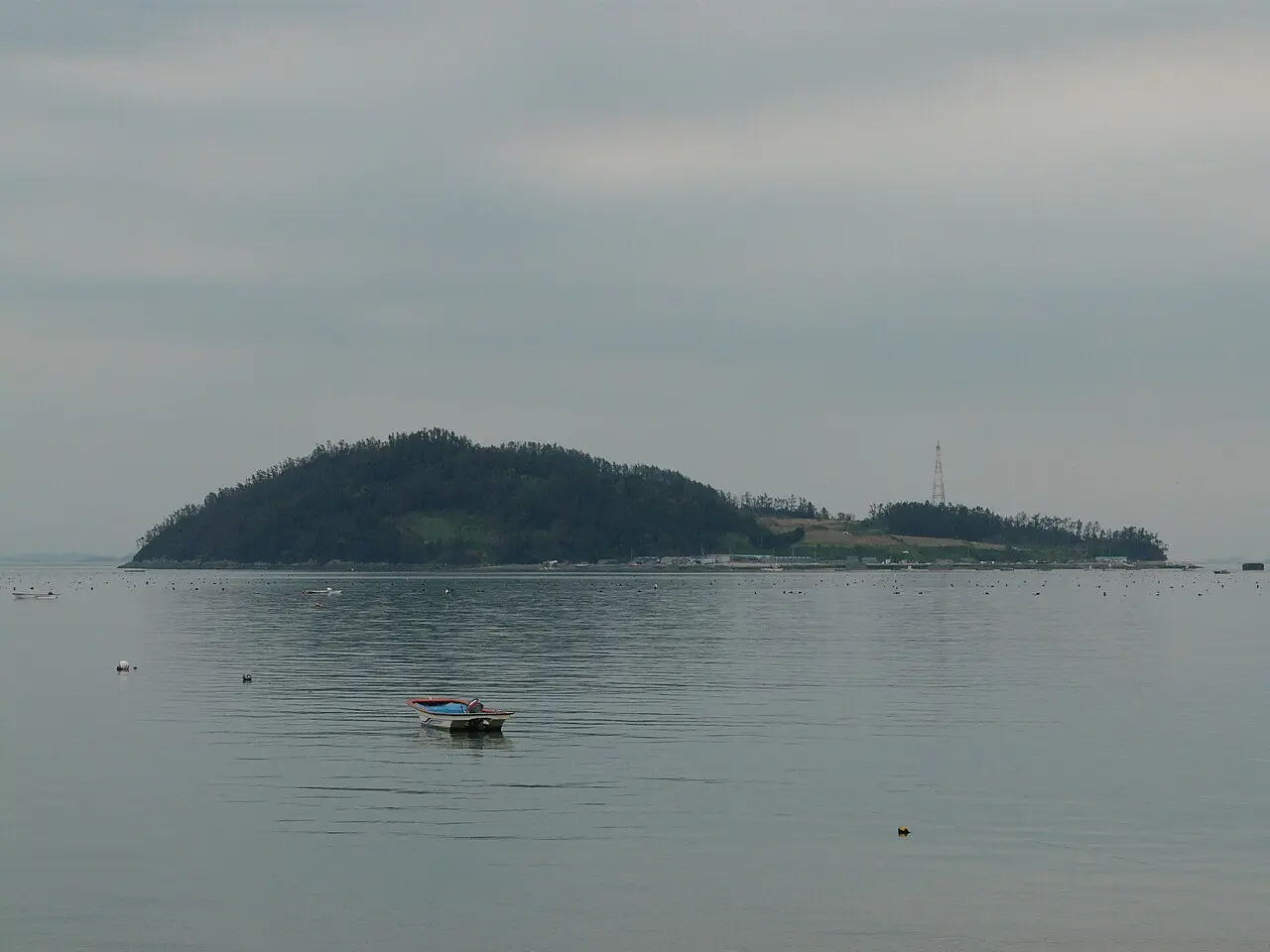
The far south, with thousands of islands, the Boseong tea hills and UNESCO-listed tidal flats.
South Jeolla has more islands than any other province — over two thousand scattered across the southwestern sea — and its coast is tidal flats stretching for tens of kilometres, now part of a world natural heritage site. Suncheonman receives its cranes every winter, Boseong wears its green tea hills, and Yeosu shines all night beside its harbour. Many Koreans consider this the best place in the country to eat: seafood straight from the water, dozens of side dishes at every meal, and the most divisive dish of all, fermented skate.
Best time to visit: May–June and September–November
Local specialties
- Fermented skate (hongeo)
- Muan baby octopus
- Boseong green tea
- Damyang bamboo rice
Places (12)
Jindo Sea Parting
A few times a year the tide drops to reveal a rock road nearly three kilometres long between two islands.
Suncheonman Bay Wetland
A vast field of reeds on tidal flats, where hooded cranes come to winter.
Hyangiram Hermitage
A small hermitage clinging to a cliff at the end of the peninsula, reached through narrow rock clefts.
Yeosu Night Sea & Cable Car
A southern port famous for its night sea, with a glass-floored cable car across the strait.
Songgwangsa Temple
One of Korea's three jewel temples, which produced sixteen national preceptors in succession.
Gurye Sansuyu Village
A village below Jirisan where cornelian cherry blooms yellow before anything else in the Korean spring.
Mokpo Modern History Quarter
A port opened in 1897, with a Japanese consulate, tunnels dug into the hill and lanes running down to the sea.
Juknokwon Bamboo Forest, Damyang
A 31-hectare planted bamboo forest with eight trails, cool even in high summer.
Naganeupseong Walled Town
An intact Joseon town wall — and inside it, a village people still live in.
Suncheon Bay National Garden
Korea's first national garden, built as a belt to stop the city creeping into the wetland.
Cheongsando Island, Wando
Asia's first 'slow' island, with terraced paddies watered through an ancient stone conduit system.
Boseong Green Tea Fields
Rows of tea curving around the hills — the largest tea-growing area in Korea.