FechTin Go · South Korea · Gwangju
May 18th Democracy Square & National Cemetery
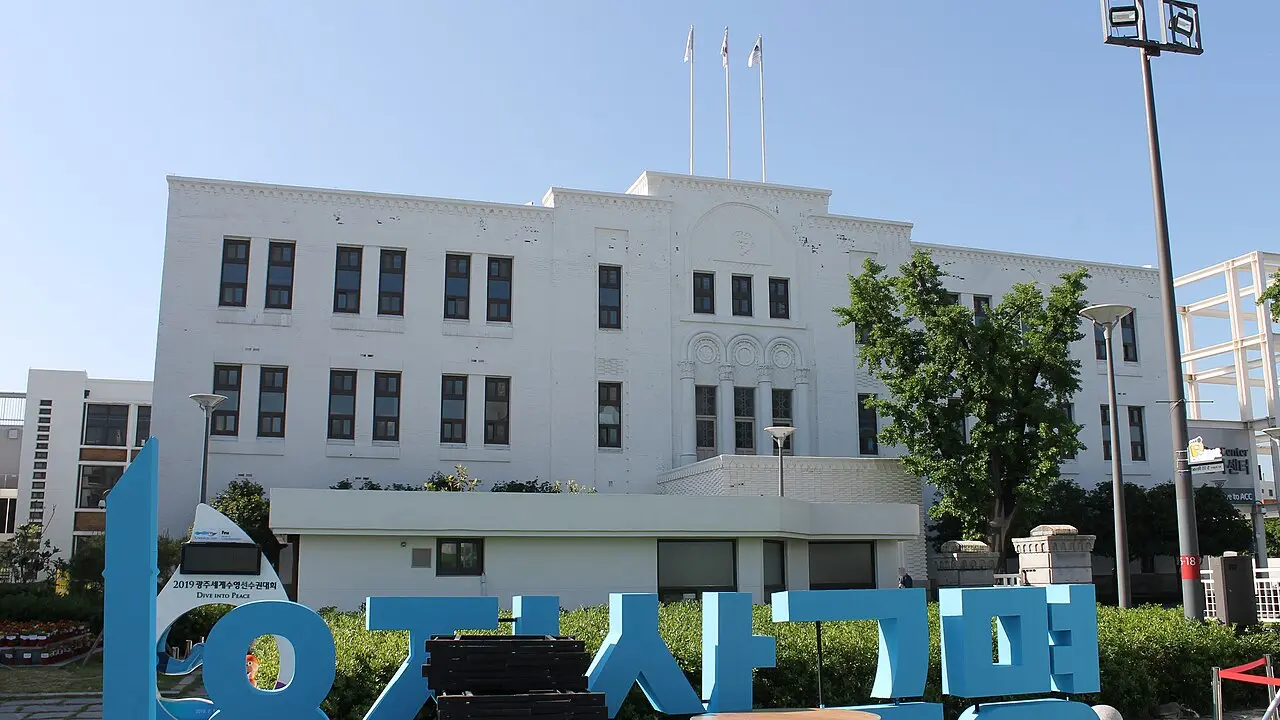
LERK · CC BY-SA 4.0
Where the 1980 Gwangju Uprising happened, and where those who died in it are buried.
In May 1980 students and citizens of Gwangju took to the streets against military rule; the crackdown lasted ten days and left hundreds dead. The square in front of the old provincial government building — now the Asia Culture Center — was the centre of those days, and the fountain in the middle was where protesters gathered. A few kilometres away, the May 18th National Cemetery is quiet, each headstone carrying a photograph. The archive of the uprising was inscribed in UNESCO's Memory of the World in 2011.
Visitor information
When is the best time to visit May 18th Democracy Square & National Cemetery?
Year-round; memorial events in May
How long do you need at May 18th Democracy Square & National Cemetery?
2–3 hours
What are the opening hours of May 18th Democracy Square & National Cemetery?
09:00–18:00
Did you know
- The Gwangju Democratization Movement ran from 18 to 27 May 1980.
- Its archive joined UNESCO's Memory of the World register in 2011.
- The former provincial hall is now part of the Asia Culture Center.
- The May 18th National Cemetery is in Unjeong, about 10 km from the centre.
Travel tips
- Visit the Asia Culture Center next door, one of Korea's largest cultural complexes.
- In May the memorial ceremonies give the place a very different atmosphere.
- English-speaking volunteer guides are available at the memorial hall.
Source: https://ko.wikipedia.org/wiki/국립아시아문화전당
Updated: 2026-08-04